Date Published
June 09, 2025
Total Read
4 min
Tags
AI products are only as good as the context they understand. While most discussions about Model Context Protocols (MCPs) delve into technical implementation, designers need to understand how MCPs fundamentally shape the user experience. Here is why they matter for your AI product design.
Consider designing an AI assistant for creative professionals. Your users expect it to understand their Figma designs, Notion documents, and calendar schedules seamlessly. Without proper context protocols, your AI becomes like a helpful colleague who cannot access any of your work files—technically capable but practically useless.
Traditional AI interactions force users into fragmented workflows. They copy and paste designs, manually upload files, or repeatedly explain the context. This creates friction that kills productivity and breaks the user flow you worked hard to design.
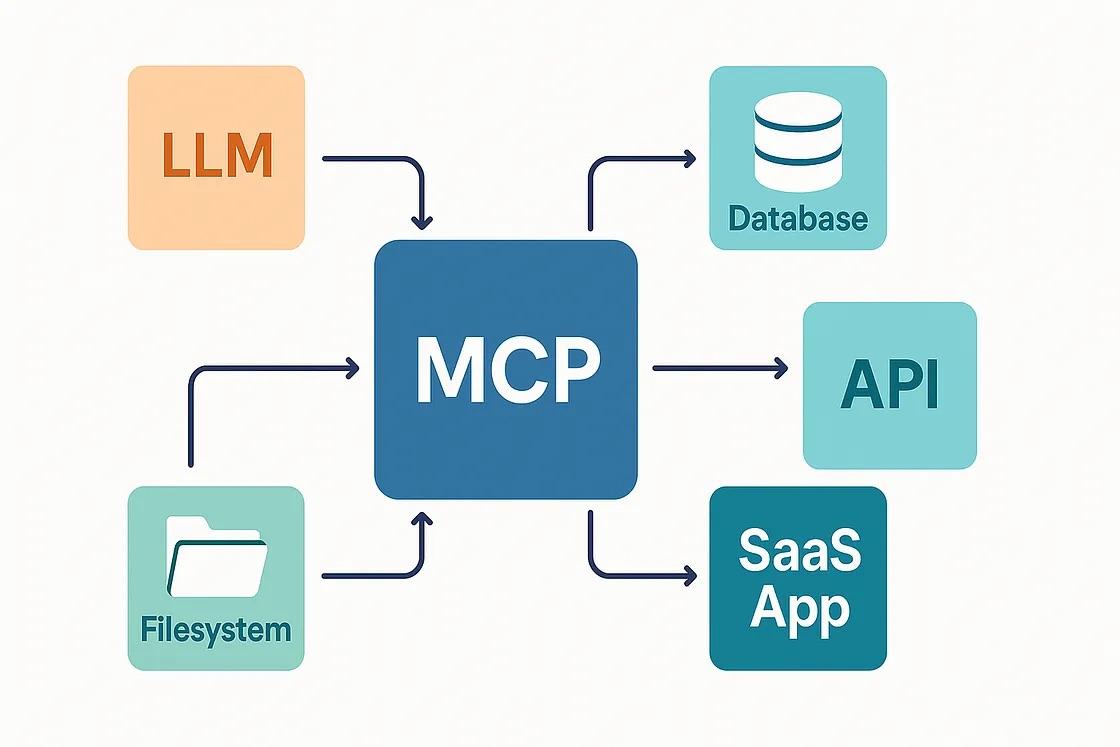
Model Context Protocols establish standardised rules for how AI models access and understand external data sources. Think of them as sophisticated API standards specifically designed for AI interactions.
The protocol defines three key elements:
Models The AI engines are processing information
Context Structured access to user data and external systems
Protocol Rules governing how models interact with context sources
MCP adoption is accelerating rapidly across major platforms. Windows Copilot, Gemini, OpenAI, and Claude all support the protocol now. This widespread adoption signals that MCPs are becoming foundational infrastructure for AI products rather than experimental technology.
For designers, this means context-aware AI interactions will soon be table stakes rather than differentiating features. The competitive advantage lies in how thoughtfully you implement these connections.
Figma's Dev Mode MCP server demonstrates this perfectly. Instead of developers manually translating designs into code, AI tools can directly access design tokens, component properties, and layout specifications. The MCP server acts as a structured gateway, giving AI models a precise understanding of design intent.
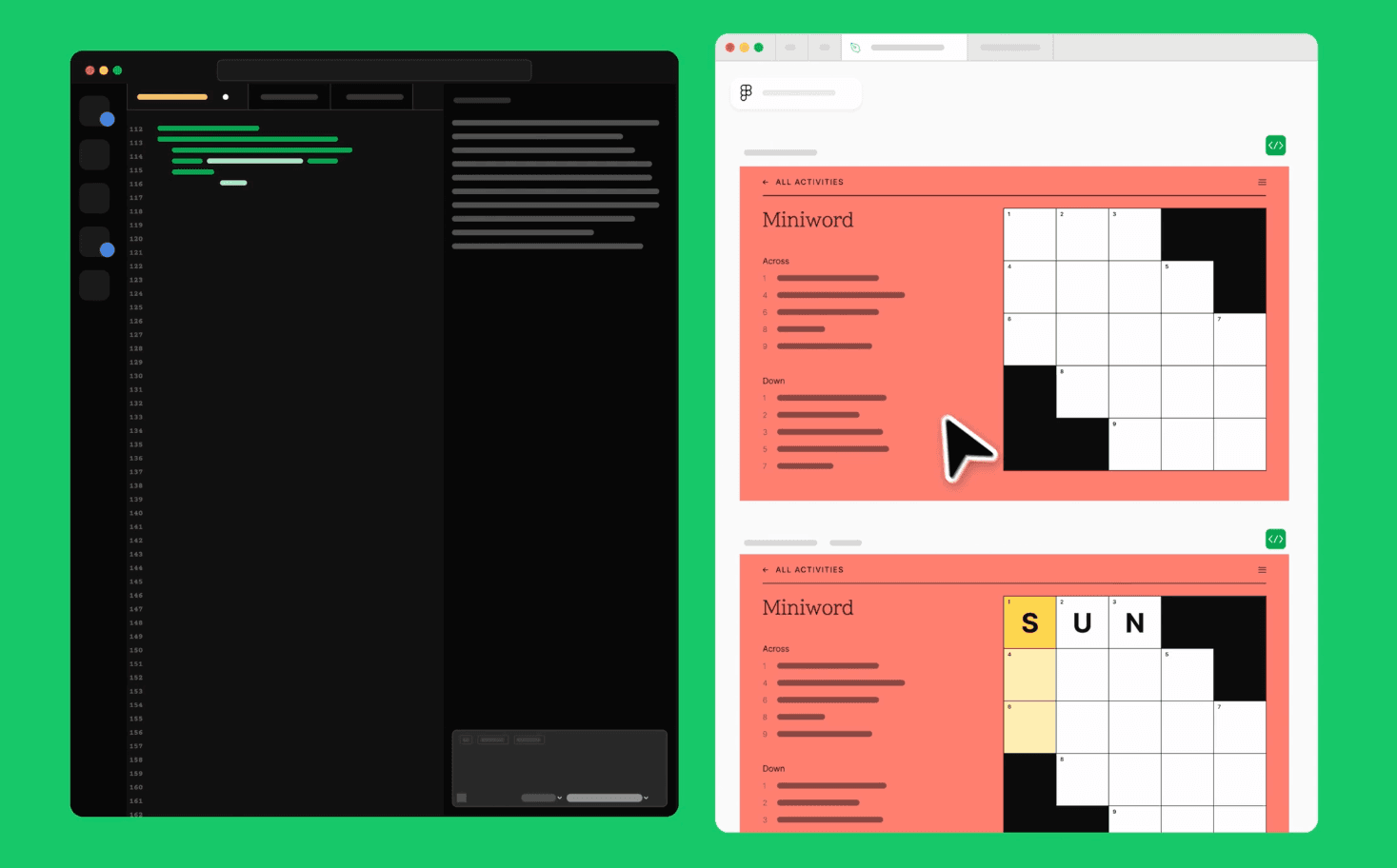
This transforms the developer handoff experience from a manual translation process into an intelligent interpretation system. Users benefit from faster implementation and fewer design-to-code discrepancies.
Here is a crucial insight from teams building MCP servers: auto-generating from existing APIs creates poor user experiences. APIs typically expose hundreds of endpoints designed for programmatic access, but LLMs perform poorly when overwhelmed with choices.
Successful MCP implementations focus on 5-10 essential tools,t maximum, with descriptions written specifically for AI consumption rather than human developers. This mirrors good design practice—constrain options to improve usability.
When designing AI products that leverage MCPs, consider these principles:
Contextual Transparency: Users should understand what data sources your AI accesses. Design clear indicators showing which systems are connected and contributing to responses.
Context Control: Provide granular controls for users to manage which data sources are active. Not every interaction needs access to every connected system.
Context Feedback: Show users how context influences AI responses. When your assistant references a specific document or data point, make that source visible and actionable.
Progressive Context: Design workflows that gradually build context rather than requiring full setup upfront. Allow users to add data sources as needs emerge.
Task-Oriented Design: Structure MCP interactions around user goals rather than system capabilities. Focus on workflows that accomplish meaningful tasks rather than exposing raw functionality.
MCPs represent a shift from prompt-based AI interactions to context-aware computing. Your design challenge moves from crafting better prompts to orchestrating intelligent data connections.
This affects information architecture, user onboarding, privacy controls, and error handling. Users expect AI products to understand their work context without compromising data security or overwhelming them with complexity.
As MCPs become standard infrastructure, designing for context becomes as fundamental as designing for accessibility or performance. The most successful AI products will be those that make sophisticated context management feel effortless.
For teams building digital products, MCP integration might be your next competitive advantage. The protocol layer might be invisible to users, but its impact on experience design is profound.
The future of AI product design lies not in teaching users to communicate better with machines, but in creating systems that understand users within their existing workflows and data environments.
Understanding MCPs helps designers create AI products that feel truly intelligent rather than just technically impressive. Focus on crafting thoughtful integrations that solve real user problems rather than showcasing technical capabilities.