From a simple idea to help my mother with her meeting notes to a full-fledged mobile application - here's the story of how my transcription tool evolved through different technologies and iterations.
It all started when I noticed my mother struggling with digital note-taking as a meeting secretary. Traditional dictation tools weren't cutting it - they produced poorly structured text that was difficult to follow. This inspired me to build a solution using React, OpenAI's Whisper API, and GPT-3.5.
Frontend: React for its component-based architecture
AI Integration: OpenAI's Whisper API for accurate speech-to-text
Enhancement: GPT-3.5 for improving text structure and speaker identification
The prototype was a success, significantly reducing her post-meeting workload and even proving valuable for user testing sessions. However, there was one major issue: the exposed API key in the front end made it vulnerable.
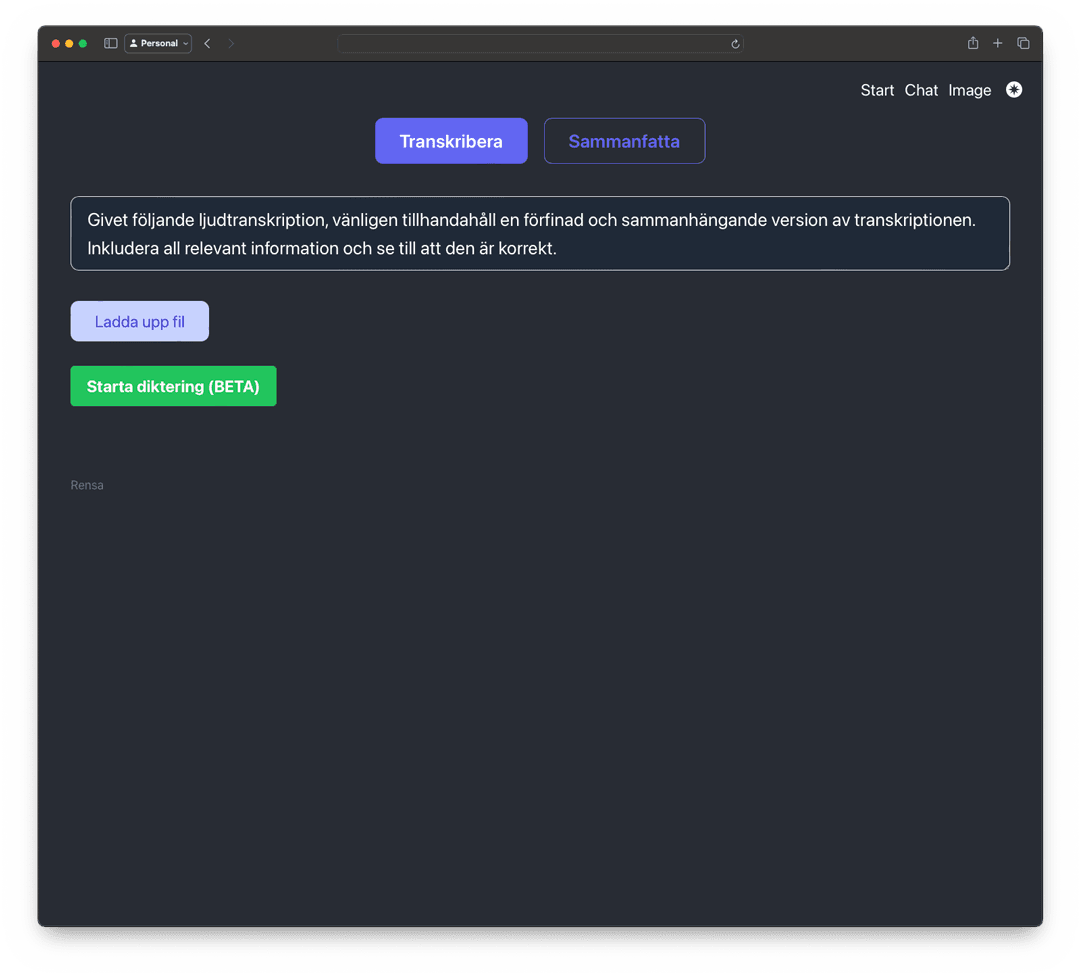
To address the security concerns of the initial tool and add monetization capabilities, I developed a Chrome extension version with:
- Secure backend architecture in Node.js
- Protected API integrations
- In-app purchase capabilities
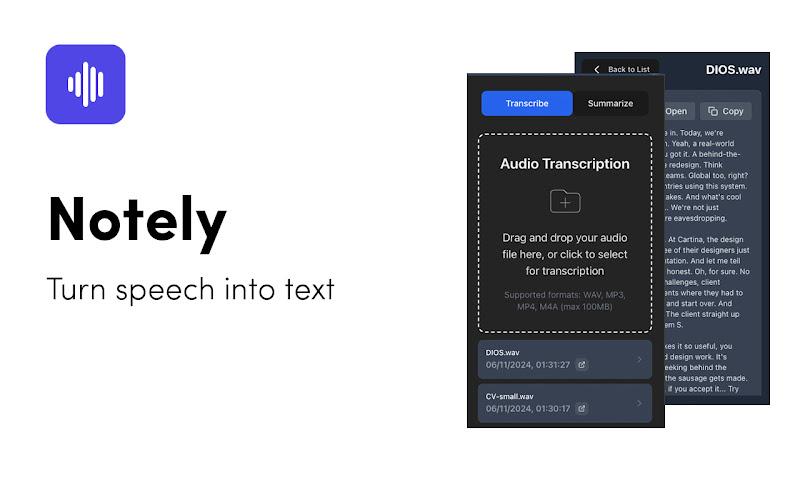
Backend: Node.js server for secure API key management
Payments: Integration with Stripe for in-app purchases
The journey came full circle when I decided to rebuild the transcription tool as an iOS application using Flutter. This decision was natural given my earlier exploration with the framework. The existing backend architecture from the Chrome extension provided a solid foundation.
Some key factors that influenced choosing Flutter:
Fast development cycle
Excellent UI customization
Strong performance
Prior experience with Dart
Support for cross-platform development
The development leveraged Claude 3.5 Sonnet for programming assistance and implemented essential features like:
Audio file handling and WAV conversion
Chunked file processing
Secure API integration
Local database storage
Clean, intuitive UI
This journey showcases how a simple solution for one person's problem evolved into a fully-featured application, incorporating various technologies and learning experiences.
create a flutter application that you can run on ios and upload voice files which are transcribed. It should chunk the audio files and convert to wav files. You can have a look at this chrome extension i built in react.js. Please do it step by step:
I also want the text to be saved in a DB. I'll help you create a Flutter application for audio transcription, incorporating the key functionality from your Chrome extension. Here's a step-by-step approach:
Let's go through the implementation steps 🚀:
Project Setup:
Create Flutter project:
flutter create audio_transcriberAdd dependencies in pubspec.yaml:
flutter_ffmpeg: ^0.4.2
path_provider: ^2.0.15
sqflite: ^2.3.0
http: ^1.1.0
// lib/models/audio_chunk.dart
class AudioChunk {
final int offset;
final int size;
final List<int> data;
AudioChunk({
required this.offset,
required this.size,
required this.data,
});
}// lib/services/audio_processor.dart
import 'dart:typed_data';
import 'package:path_provider/path_provider.dart';
import 'package:flutter_ffmpeg/flutter_ffmpeg.dart';
class AudioProcessor {
static const int CHUNK_SIZE = 5 * 1024 * 1024; // 5MB chunks
final FlutterFFmpeg _flutterFFmpeg = FlutterFFmpeg();
Future<List<AudioChunk>> processAudioFile(String filePath) async {
final file = File(filePath);
final bytes = await file.readAsBytes();
final chunks = <AudioChunk>[];
// Extract header based on file extension
final header = await _extractAudioHeader(bytes, filePath);
// Process chunks
int offset = header.offset;
while (offset < bytes.length) {
final end = min(offset + CHUNK_SIZE, bytes.length);
final chunkData = bytes.sublist(offset, end);
// Create chunk with header
final fullChunk = Uint8List(header.size + chunkData.length);
fullChunk.setAll(0, header.data);
fullChunk.setAll(header.size, chunkData);
chunks.add(AudioChunk(
offset: offset,
size: fullChunk.length,
data: fullChunk,
));
offset = end;
}
return chunks;
}
Future<String> convertToWav(String inputPath) async {
final dir = await getTemporaryDirectory();
final outputPath = '${dir.path}/converted.wav';
await _flutterFFmpeg.execute(
'-i $inputPath -acodec pcm_s16le -ar 44100 -ac 2 $outputPath'
);
return outputPath;
}
}// lib/services/transcription_service.dart
class TranscriptionService {
static const String API_ENDPOINT = 'https://your-api-endpoint/transcribe';
Future<String> transcribeChunk(AudioChunk chunk, int index, int total) async {
final uri = Uri.parse(API_ENDPOINT);
final request = http.MultipartRequest('POST', uri)
..fields['chunkIndex'] = index.toString()
..fields['totalChunks'] = total.toString()
..files.add(
await http.MultipartFile.fromBytes(
'audioChunk',
chunk.data,
filename: 'chunk_$index.wav',
),
);
final response = await request.send();
if (response.statusCode != 200) {
throw Exception('Failed to transcribe chunk');
}
final responseData = await response.stream.bytesToString();
return json.decode(responseData)['transcription'];
}
}// lib/db/database.dart
class TranscriptionDatabase {
final Database _db;
Future<void> saveTranscription(String audioPath, String transcription) async {
await _db.insert('transcriptions', {
'audio_path': audioPath,
'transcription': transcription,
'created_at': DateTime.now().toIso8601String(),
});
}
}Key Features Implemented 🎯:
Audio file selection and recording
Chunking large audio files
WAV conversion using FFmpeg
API integration for transcription
Local database storage
Then I continued with each step until it worked on my phone and from there it started.
The foundation of the app rested on robust audio handling. Initially simple in concept, this became one of our most complex technical challenges:
Recording Conflicts: Separating recording and playback systems to prevent resource conflicts
Zero-Length Recordings: Debugging timing issues causing empty audio files
Session Management: Handling audio session transitions between recording and playback
Permission Handling: Implementing robust microphone permission flows
The backend infrastructure evolved significantly during development:
Authentication: Implementing both Google and Apple Sign-In
Data Sync: Building a reliable cross-device synchronization system
Error Handling: Developing robust error recovery for offline/online transitions
Firebase Integration: Resolving Firestore permission issues and deployment conflicts
The iOS ecosystem presented its own set of challenges:
// Key areas requiring attention:
- CocoaPods configuration
- Deployment target conflicts
- Background audio mode setup
- In-app purchase implementationGetting ready for the App Store involved multiple steps:
Documentation
Subscription details and pricing strategy
Technical Requirements
TestFlight distribution setup
App Store Connect configuration
Build number management
Screenshot generation
Testing Strategy
User acceptance testing
Performance optimization
Subscription flow verification
Error scenario testing
Several critical insights emerged during development:
Audio Architecture
- Separate recording and playback systems
- Robust error handling for audio sessions
- Careful state management for transcription status
Cloud Sync
- Implement offline-first architecture
- Handle cross-device deletion conflicts
- Maintain data integrity during sync
User Experience
- Clear feedback during processing
- Intuitive error messages
- Smooth subscription flow
Future development plans include:
- Multi-language support
- Advanced text analysis
- Real-time collaboration features
- Enhanced accessibility features
This journey from concept to App Store submission highlighted the importance of thorough planning, robust architecture, and careful attention to platform-specific requirements. Each challenge solved brought valuable insights for future development.
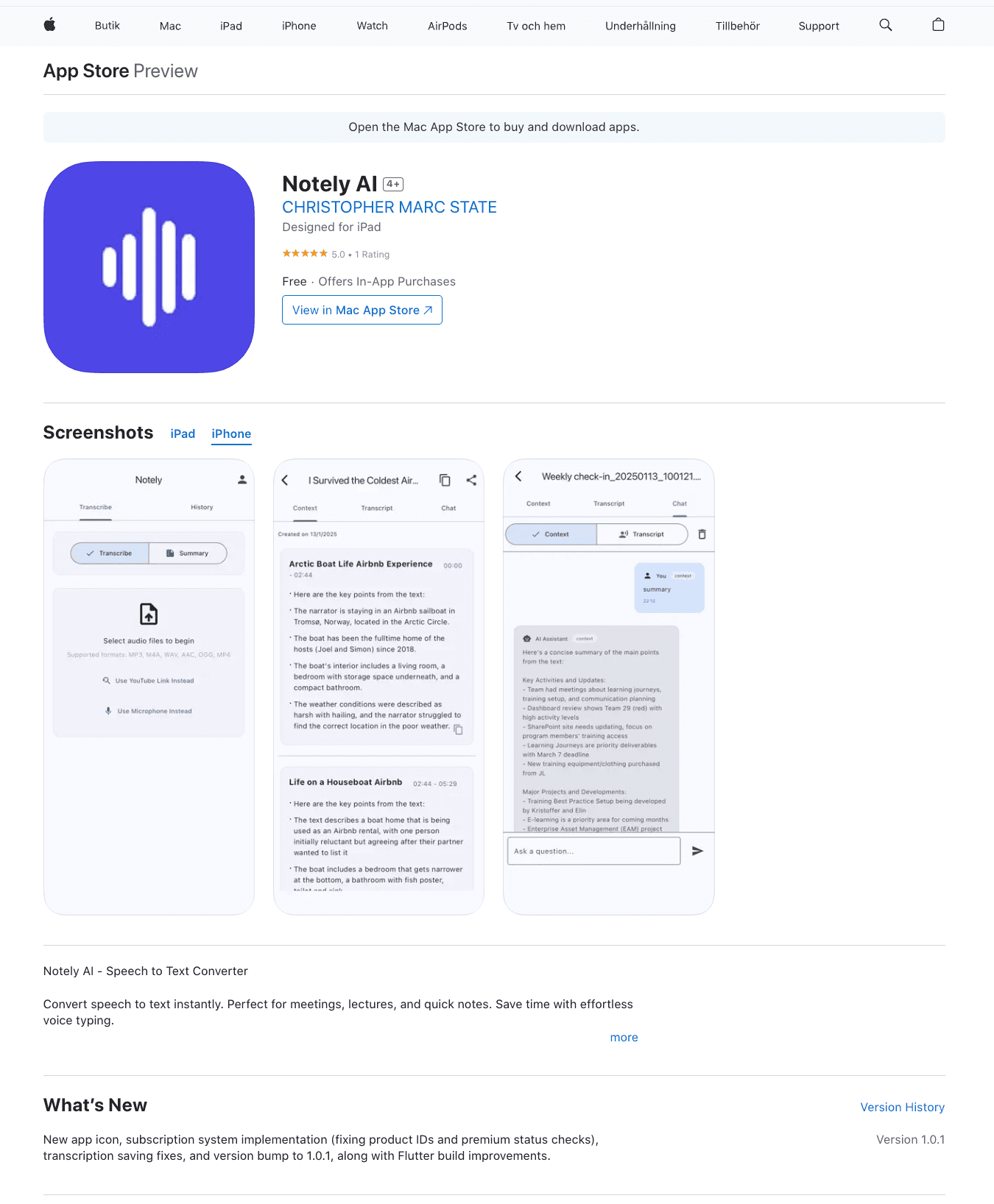
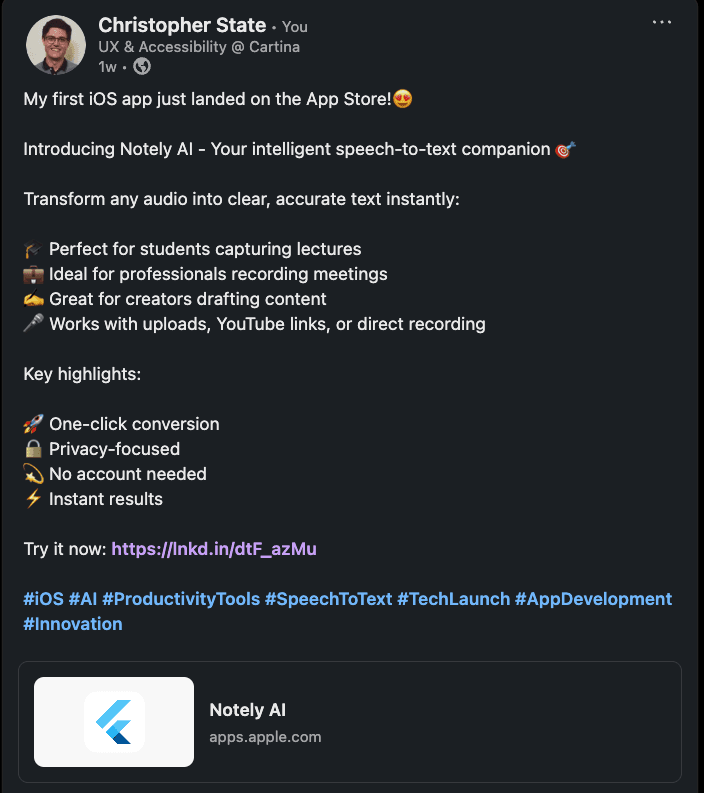
After working with both frameworks, Flutter stood out for:
More predictable performance
Better developer tooling
Simpler state management
Extensive widget library
The project evolved from a simple client-side application to a full-stack solution with:
Microservices architecture
Event-driven design
Caching strategies
Error handling and recovery